We build the case. The buyer decides.
Range reviews run roughly every six months, and the invitation to present can arrive with about two weeks' notice. This is the front half of the First PO Program: target account planning, the category story, the new-line submission, the presentation, and the numbers behind the negotiation. Built before the email arrives, not after.
The problem
~6 months
between range reviews in most categories
~2 weeks
of notice before the presentation slot
10 to 25%
of gross sales commonly goes to trade spend, deducted before you are paid
Most founders walk into their first buyer meeting with a brand story. The buyer is running a category, not collecting stories. They manage a planogram, the shelf map that says which product sits where and how many facings it gets, and every centimetre on it already earns money. Your product gets ranged when the case shows it will earn more per centimetre than something currently there, or bring in a shopper the category is missing. That case is arithmetic: rate of sale, the units each store sells per week, margin, price architecture, and the trade spend you can actually sustain.
The full picture
The mechanics punish the unprepared, not the small. A range review, the scheduled window when a retailer re-decides its shelf, runs roughly every six months in most categories, and the presentation slot can come with about two weeks' notice. New-line submission forms want costings, GS1 data, shelf-life and unit dimensions before anyone discusses your brand. Trade spend, the rebates, co-op and promotional allowances deducted before you are paid, commonly runs 10 to 25 percent of gross sales, and retailer margins vary by category from roughly 25 to 45 percent. If you meet those numbers for the first time inside the negotiation, you will agree to terms your margin cannot carry.
We have run this process as the agent for four brands across Chemist Warehouse, Woolworths, Coles and Priceline. Dr Pickles is on Woolworths and Coles shelves today. Smile Makers ranged at Priceline and Chemist Warehouse. Australian Glow ranged at Priceline, and that one is our founder's own brand, listed on our register of interests. Frase Skin has no public retail footprint by design; evidence is shared in meetings with the brand's written consent. None of that promises your outcome. The buyer decides every ranging. What we control is whether you walk in with a case instead of a hope.
Who this is for
- Founder-led consumer brands doing roughly 100 to 1,000 orders a month, born on DTC, entering physical retail for the first time.
- Brands already stocked somewhere and underperforming: a ranging that never grew, a review coming up, a buyer relationship that has gone quiet.
- Food, beverage and supplement brands first. Our Melbourne warehouse runs food under HACCP today.
- Beauty and personal care case by case, with our register of interests on the table before the first conversation.
- Brands that have run the Retail-Readiness Sprint, or arrive with a trade spend model and pricing waterfall of equivalent rigour. The negotiation runs on those numbers.
What we do
- 01
Target account planning: which retailer, which banner, which buying team, and which review window. One retailer done properly beats three pitched thinly, and the plan says which one and why.
- 02
Category story construction: your product argued in the buyer's own numbers, category growth, the shopper the range is missing, price architecture against what is already on the planogram, and a realistic rate of sale position.
- 03
Range-review presentation: the deck, the samples, the costings and the rehearsal. We prepare you for the questions buyers actually ask, including the ones about your capacity to supply.
- 04
New-line submissions: the retailer's forms completed correctly the first time, with GS1 data, dimensions, shelf life, imagery and costings that reconcile to your waterfall.
- 05
Commercial negotiation support: trading terms and trade spend asks tested against your Sprint model in the room, with your walk-away numbers agreed before the meeting, not discovered during it.
- 06
Review calendar management: your category's dates tracked so a two-week presentation window is an appointment, not an ambush.
- 07
The honest memo when the case is not there yet: which numbers fall short, what changes them, and which review cycle to aim at instead.
Four brands, ranged into the majors. As the agent, with the paperwork.
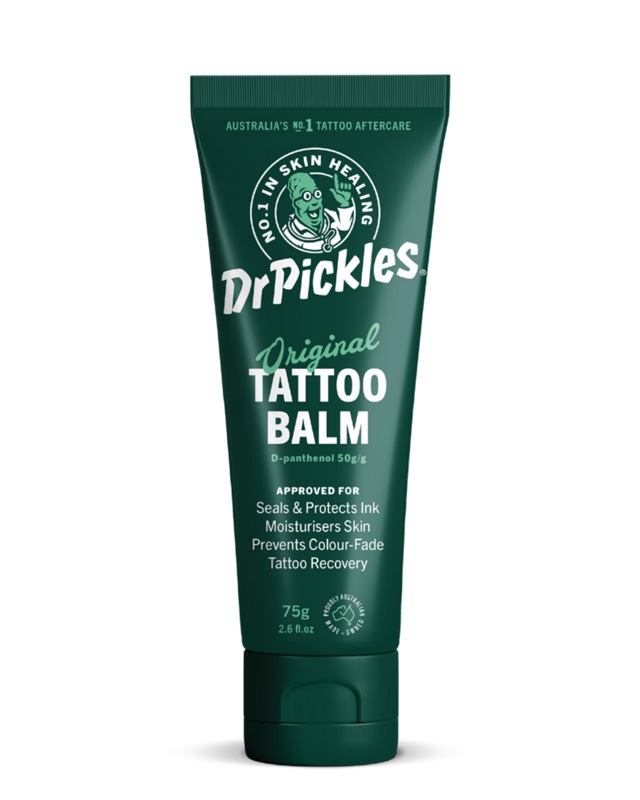
Dr Pickles
Tattoo aftercare
On Woolworths and Coles shelves today. Search either site from your phone.

Smile Makers
Sexual wellness
Ranged at Priceline and Chemist Warehouse. The Priceline launch was covered in the trade press; ask and we'll send the piece.
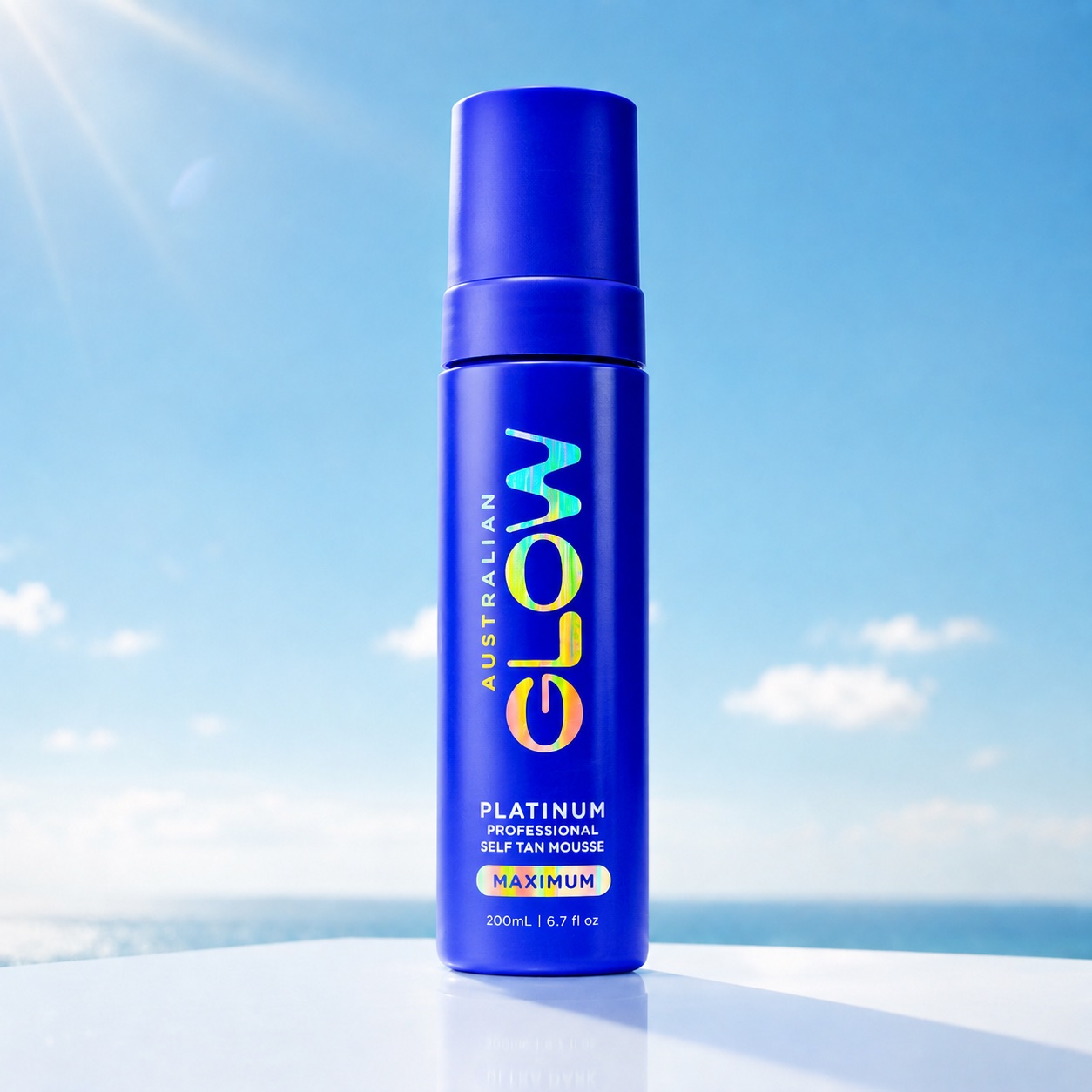
Australian Glow
Self tan
Ranged at Priceline. Disclosure: this is our founder's own brand, listed on our register of interests.
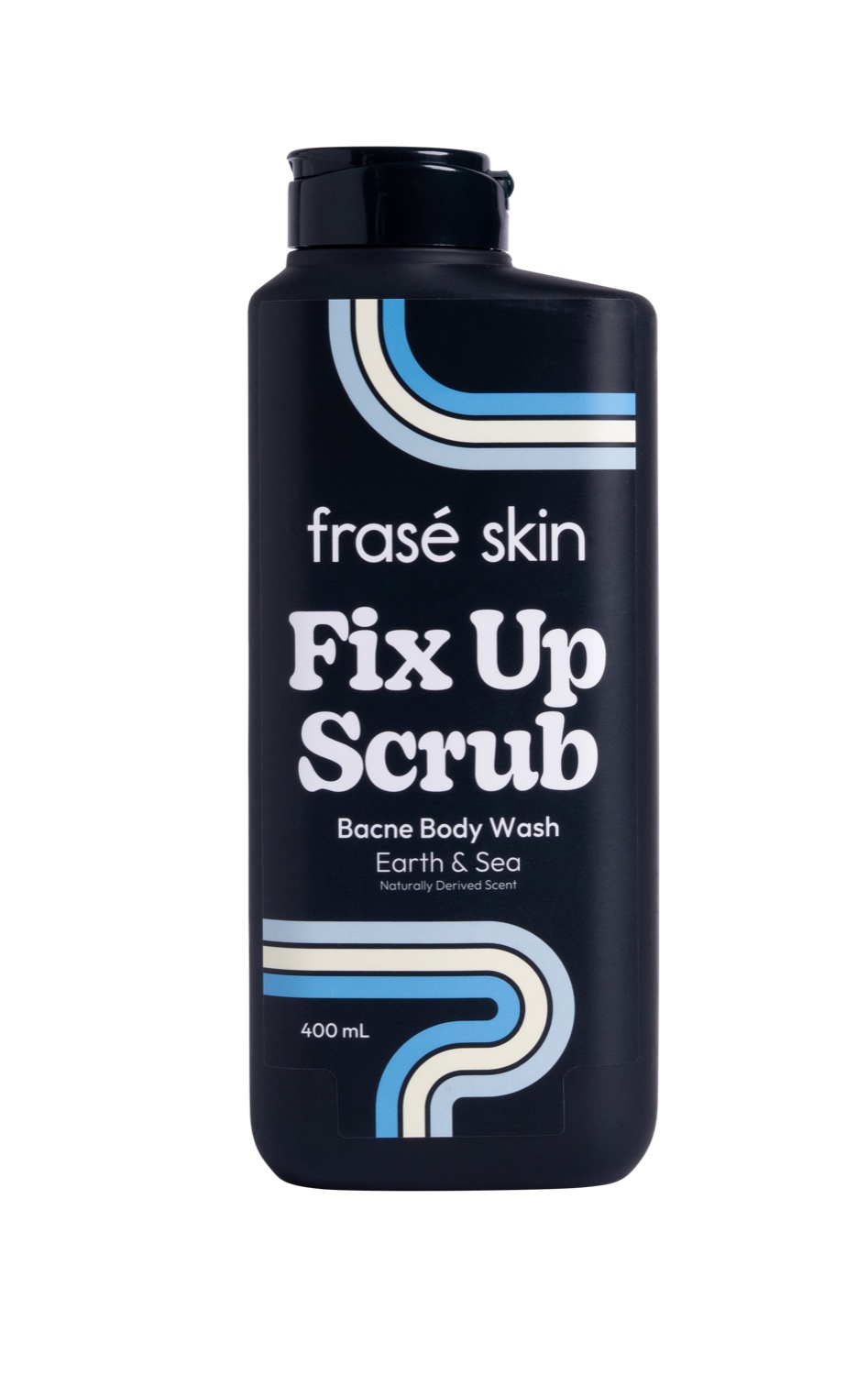
Frase Skin
Skincare
No public retail footprint by design. Evidence available in a meeting, shared with the brand's written consent.
Ranged as the agent across Chemist Warehouse, Woolworths, Coles and Priceline. Evidence shared in meetings with each brand's written consent. Product imagery used with each brand's permission. Past rangings do not promise yours: the buyer decides. We make sure you walk in with a case instead of a hope.
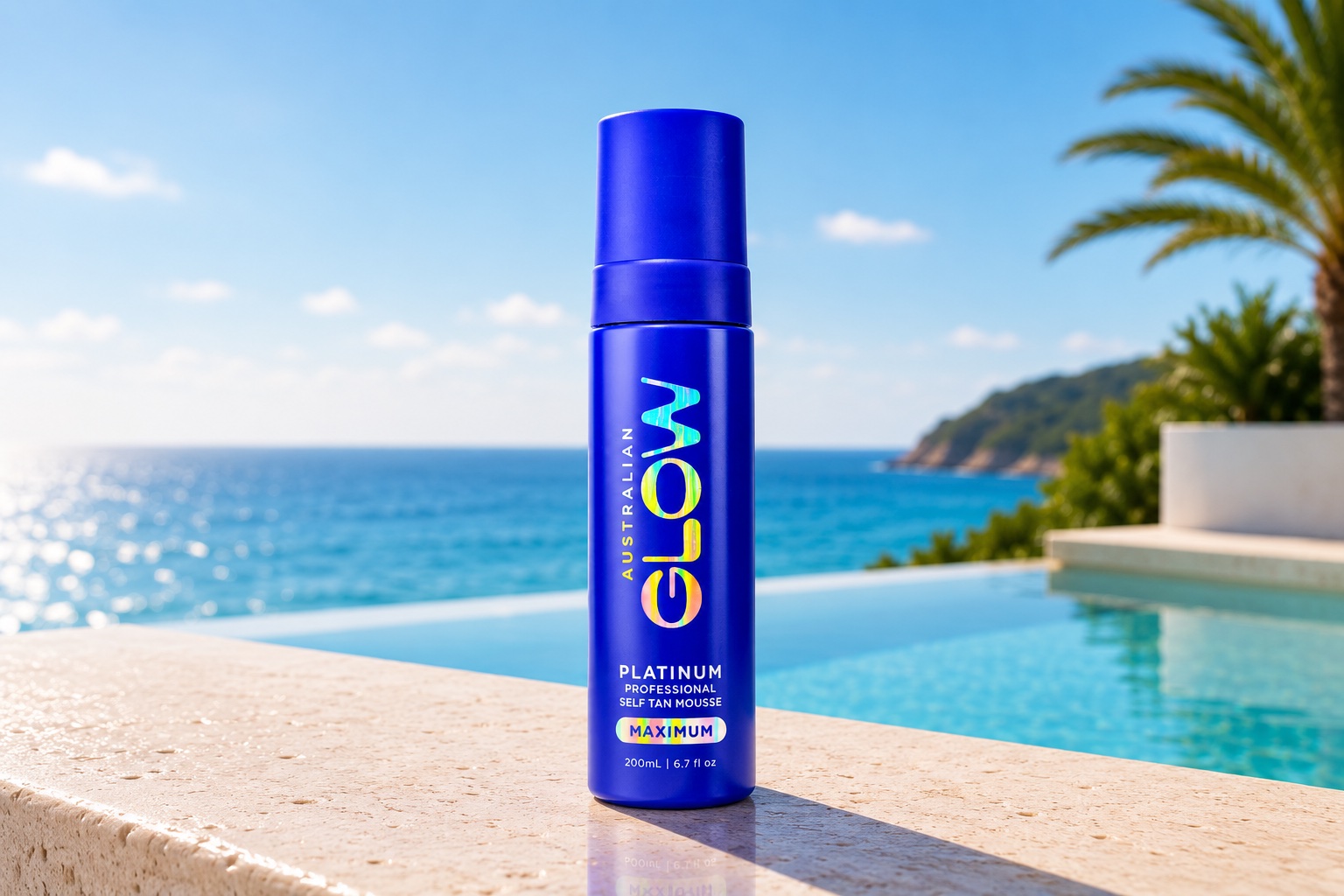
Australian Glow, the founder's brand. Campaign imagery.
One of four brands ranged as the agent.
Deliverables
- A target account plan naming the retailer, banner, buying contact protocol and review window, with the reasoning shown.
- The category story presentation, built for the buyer meeting and yours to keep.
- Completed new-line submission packs per retailer, reconciled to your costings.
- A commercial terms model: every trade spend and margin ask in the negotiation mapped against your pricing waterfall, with agreed walk-away numbers.
- A written record of every buyer interaction: what was presented, what was asked, what was committed, what happens next.
- If the answer is no or not yet, the buyer's feedback documented and a rework plan against the next review cycle.
How it is bought
$4,000 a month to be represented
- Includes all onboarding and fulfilment set-up.
- The retainer is fixed on your scope sheet before you sign.
- The 24-month partnership starts when your first purchase order lands, not at signature.
- If the case never lands a PO, you were never locked in.
- Founding clients, four only, start on six-month terms with a rate lock and the EDI build included.
- Most clients arrive from the Retail-Readiness Sprint, because the negotiation runs on the model the Sprint builds.
If a number is not on the pricing page or your scope sheet, you do not pay it.
The full terms, in prose
This is the front half of the First PO Program. Ongoing representation is $4,000 a month, and it includes all onboarding and set-up for fulfilment, fixed on your scope sheet before you sign. The 24-month partnership starts when your first purchase order lands, not at signature; if the case never lands a PO, you were never locked in. Founding clients, four only, start on six-month terms with a rate lock and the EDI build included. Most clients arrive from the Retail-Readiness Sprint, $15,000 single-retailer scope or $25,000 multi-retailer, because the negotiation runs on the model the Sprint builds. If a number is not on the pricing page or your scope sheet, you do not pay it.
The process
- 01
Target account plan
We pick the retailer and banner where your numbers have the strongest case, map the buying team's review calendar, and set the timeline backwards from the presentation window. Decided on your waterfall and your capacity to supply, not on which logo looks best in a pitch deck.
- 02
Category story
We build the argument in the buyer's terms: what your product adds to the category, where it sits in the price architecture, which shopper it brings in, and a rate of sale position we can defend. Every number in the deck reconciles to your model.
- 03
New-line submission
The retailer's forms, completed and lodged: GS1 data, dimensions, shelf life, imagery, costings. Errors here stall rangings for a full cycle, so we treat the paperwork as part of the pitch, not admin after it.
- 04
The presentation
We prepare and support the review meeting itself: the deck, the samples, the rehearsal, and the answers to the supply questions every buyer asks. You present as a supplier who has done this before, because the people behind you have.
- 05
Negotiation support
Trading terms come with trade spend asks, commonly 10 to 25 percent of gross sales across rebates, co-op and promo. We test every ask against your waterfall in the room, and your walk-away numbers are agreed before the meeting starts.
- 06
Decision and handover
If the answer is yes, the first purchase order typically lands one to six months later, and the back half of the program, EDI, compliance and delivery windows, is already being stood up so the win survives the DC. If the answer is no, you get the feedback documented, the rework plan, and the next review date. You keep every artefact either way.
Questions founders ask
Can you guarantee we get ranged?
No, and be careful of anyone in this trade who says yes. The buyer decides every ranging, and our four past rangings do not promise yours. What we control is the quality of the case, the accuracy of the paperwork, and whether the terms you agree to are terms your margin can carry. That is the scope, exactly.
Do we need the Sprint before this starts?
Usually, yes. The negotiation runs on your trade spend model and pricing waterfall, and walking into a trading-terms discussion without one is how founders agree to numbers they meet properly a year later. If you already hold a model of equivalent rigour, we will work from it and say so on your scope sheet.
What happens after the buyer says yes?
A yes is not a purchase order. The first PO typically lands one to six months after a win, and the retailer's compliance machinery, EDI, the electronic ordering pipe, plus pallet and barcode standards, must be running before it does. EDI builds take months, not weeks, which is why the back half of the First PO Program starts standing it up at signing rather than at the win. The 24-month partnership starts the day that first PO lands.
What if the buyer says no?
It happens, including to well-built cases. You get the buyer's feedback in writing, our read on which numbers or gaps drove it, and a rework plan aimed at the next review, roughly six months out in most categories. You keep the category story, the submission pack and the terms model, whoever you hire next. Sometimes the honest read is that the category is not winnable at your current costs, and we will say that too.
The next step
Tell us your target retailer and your COGS in the form below. We'll tell you whether the case is buildable for the next review cycle, and if it isn't, what would change that.
Send your target retailer and COGSThe form is at the bottom of this page and lands straight in our inbox.
Ready to find out whether your brand is built for retail?
Start with a focused conversation about your category, commercial model and target retailers. We will tell you what is ready, what is missing and whether we are the right partner.
No generic sales pitch. A practical first conversation about your retail opportunity, and a reply within two business days.