
Three readers judge your product data: the shopper, the buyer, and the machine both of them now ask.
A supporting service, not the core. We make your brand findable and legible: GS1-clean product attributes, retailer marketplace listings built to spec, and a public record that AI answer engines can read without guessing. It supports the ranging work. It does not replace it.
The problem
3
readers judge your product data: the shopper, the buyer and the machine
1 to 5%
of invoice value in chargebacks when bad data reaches the distribution centre
Before a shopper picks your product off a shelf, they have usually met it online. Before a buyer takes your range-review meeting, they have searched your brand. And a growing share of both now ask an AI answer engine, a tool like ChatGPT or Perplexity that answers a shopping question directly, built from whatever public data exists about your category. If your record is thin or contradictory, the answer gets built from someone else's.
The full picture
Most DTC-born brands fail that reading. The product name differs between the GS1 registry, the retailer's marketplace listing and the brand's own site. Attributes are missing or contradict each other. Images do not meet the retailer's spec. None of this is cosmetic. Data defects stall new-line submissions, and when bad data reaches the distribution centre, chargebacks commonly run 1 to 5 percent of invoice value.
The limit, stated first: nobody controls what an AI engine says about your brand, the same way nobody controls what a buyer decides. What you control is the record it reads. This is the unglamorous version of that work. Registry first, listings second, machine-readable brand facts third, measured on a calendar.
Who this is for
- Founder-led consumer brands, roughly 100 to 1,000 orders a month, entering or underperforming in physical retail.
- Brands in the First PO Program whose new-line submissions need clean product data behind them.
- Brands already ranged whose online-shelf and marketplace content is weak and whose rate of sale, the units each store sells per week, is suffering for it.
- Brands whose own site, retailer listings and GS1 records say three different things about the same product.
- Food, beverage and supplement brands first. Beauty case by case, with our register of interests on the table before anything else.
What we do
- 01
Audit every public record of your product: GS1 registry entries, retailer marketplace listings, your own product pages, and what the major AI answer engines currently say when asked about your category.
- 02
Correct your GS1 data. GS1 is the global registry your barcodes and product attributes are registered against, and retailer systems read it before they read your website.
- 03
Rebuild retailer marketplace listings to each retailer's published spec: titles, attributes, images, and copy that matches how shoppers search on that retailer's own site.
- 04
Align attributes across every surface, so the same product carries the same name, size, weight and claims everywhere it appears.
- 05
Structure your brand's public content so machines can parse it: consistent naming, structured product facts, and plain answers to the questions shoppers actually type.
- 06
Baseline what the AI engines answer for your category at day zero, then re-check on a fixed calendar, so change is measured rather than felt.
- 07
Feed the findings into your range-review case. A range review is the retailer's periodic decision on what stays on shelf, and buyers check the same public sources shoppers do.
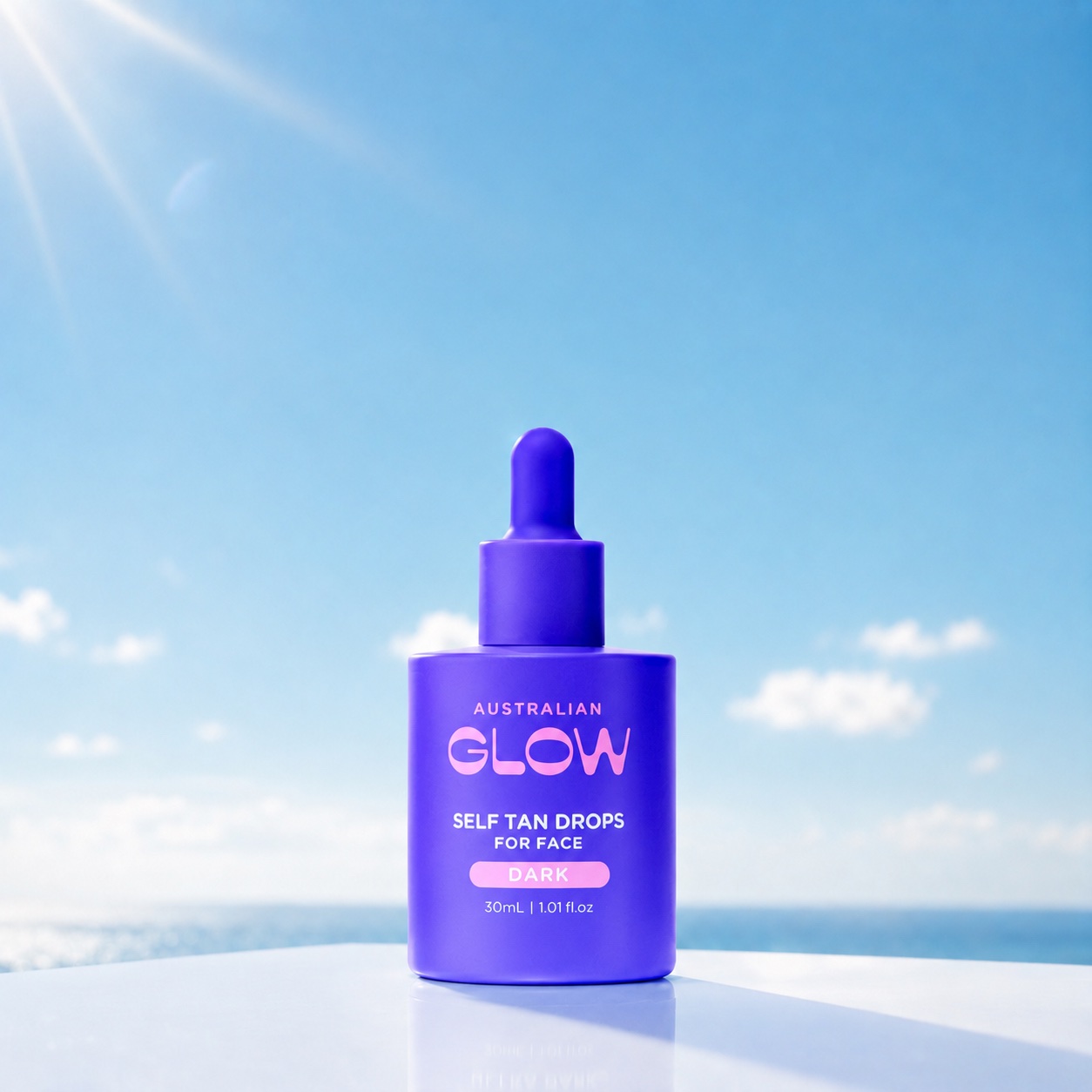
Australian Glow, the founder's brand. Campaign imagery.
The numbers first. Then the shelf.
Deliverables
- A product data audit: every listing, attribute and registry entry, defects listed and ranked by consequence.
- Corrected GS1 records, plus a data dictionary your team keeps and can maintain without us.
- Retailer marketplace listings rebuilt to each retailer's spec, with the source files handed over.
- A brand facts file: one machine-readable source of truth for product names, sizes, ingredients and stockists, published where engines can read it.
- A day-zero report of what AI answer engines say about your category and your brand, re-run on a set calendar so movement is documented.
- A defect log flagging every data error that touches the DC, because that is where chargebacks start.
How it is bought
Folded into your program scope, or bought standalone at a fixed fee
- A supporting service, scoped one of two ways.
- Either folded into your First PO Program or Retail Reordered scope.
- Or bought standalone at a fixed fee, set on your scope sheet before you sign.
If a number is not on the pricing page or your scope sheet, you do not pay it.
The full terms, in prose
A supporting service, scoped one of two ways: folded into your First PO Program or Retail Reordered scope, or bought standalone at a fixed fee set on your scope sheet before you sign. Either way the same law applies: if a number is not on the pricing page or your scope sheet, you do not pay it.
The process
- 01
Baseline the record
We pull every public trace of your product: GS1 entries, retailer listings, your own pages, and what the AI engines answer today for your category. You get the audit whether or not you go further.
- 02
Fix the registry first
GS1 attributes are corrected before anything cosmetic is touched, because retailer systems and new-line forms read the registry, not your homepage.
- 03
Rebuild the listings
Marketplace content redone to each retailer's spec and aligned with your own site, so the shopper meets one product, not three versions of it.
- 04
Publish the brand facts
One structured, machine-readable statement of what your product is, in what sizes, with what ingredients, stocked where. Engines answer from records, and this becomes yours.
- 05
Measure on a calendar
The day-zero engine report is re-run on fixed dates. Movement gets documented, defects get logged, and anything relevant lands in your range-review case.
Questions founders ask
Can you get ChatGPT to recommend my product?
No, and be careful of anyone who says yes. An AI engine decides its own answers, the same way a buyer decides a ranging. What we control is the record it reads: consistent naming, clean attributes, a public source of truth that answers the questions shoppers ask. We build the case. The engine, like the buyer, decides.
Is this just SEO with a new name?
It overlaps and it differs. SEO chases positions on a search results page. This starts further back, in the systems the trade actually reads: the GS1 registry, the retailer's marketplace, the new-line form. We treat product data the way we treat retail compliance. Get it right once, keep it right on a calendar, and let every surface inherit it.
Should I buy this before the Sprint?
No. Sprint first. This is a supporting service, and if the Sprint's numbers say not yet, visibility work is money spent out of order. Where data defects would genuinely slow a ranging, the Sprint's compliance gap list will name them, with costs and lead times.
My data is already wrong at one retailer. Can you fix just that?
Yes. That is a standalone scope with a fixed fee on your scope sheet before you sign. It is worth fixing quickly: bad data is not cosmetic once it reaches the DC, where chargebacks commonly run 1 to 5 percent of invoice value when compliance fails.
The next step
Tell us the listing that is wrong or the retailer in question in the form below. We will scope the fix at a fixed fee, and if the Sprint should come first, we will say that instead. One conversation, no funnel.
Send the listing in questionThe form is at the bottom of this page and lands straight in our inbox.
Ready to find out whether your brand is built for retail?
Start with a focused conversation about your category, commercial model and target retailers. We will tell you what is ready, what is missing and whether we are the right partner.
No generic sales pitch. A practical first conversation about your retail opportunity, and a reply within two business days.