
Four weeks. One fixed fee. Your real retail arithmetic, before you sign anything long.
The Retail-Readiness Sprint models your trade spend, your pricing waterfall, your category's review calendar and your compliance gaps before you commit to trading terms, a partnership, or a purchase order. $15,000 single-retailer scope, $25,000 multi-retailer. You keep the model either way. Sometimes the verdict is: not yet.
The problem
10 to 25%
of gross sales commonly goes to trade spend, deducted before you are paid
25 to 45%
of the shelf price is roughly the retailer margin, varying by category
1 to 5%
of invoice value in chargebacks if compliance slips once orders flow
Most founders meet their real trade spend after signing trading terms. Trade spend, the rebates, co-op and promotional allowances deducted before you are paid, commonly runs 10 to 25 percent of gross sales. Retailer margins vary by category, roughly 25 to 45 percent of the shelf price. Both come out of your number before your cost of goods does, and neither appears in the DTC spreadsheet that built your brand.
The full picture
The calendar compounds the arithmetic. Range reviews, the buyer's periodic decision on which products stay and which go, run roughly every six months, and the invitation to present can arrive with about two weeks' notice. EDI, the electronic ordering pipe every major retailer requires, takes months to stand up, not weeks. A review win puts the first purchase order one to six months away, and if compliance slips once orders flow, chargebacks run 1 to 5 percent of invoice value. Every one of these numbers is knowable in advance. Almost nobody models them in advance.
To be fair to retail, the move is often right: the shelf is where the customers Meta repriced now are. But 871 retail businesses hit insolvency for the first time in FY25, and a wrong launch costs a year and a warehouse of dead stock. The Sprint exists to run this arithmetic while it is cheap to hear. If the numbers say go, you walk into the review with a case. If they say not yet, you found out for a fixed fee instead of a failed ranging.
Who this is for
- Founder-led consumer brands doing roughly 100 to 1,000 orders a month, born on DTC, weighing a first move into physical retail.
- Brands already on shelf and underperforming, where the trade spend and waterfall were never modelled and nobody can say in numbers why the line is at risk at the next review.
- Food, beverage and supplement brands first. Our Melbourne warehouse runs food under HACCP today.
- Beauty and personal care case by case, with our register of interests on the table before you tell us anything sensitive.
- Founders who have been pitched retail on relationships before, and want the maths before the relationship talk.
What we do
- 01
Model your real trade spend line by line: rebates, co-op, promotional allowances and settlement terms, the 10 to 25 percent of gross sales most founders meet after signature.
- 02
Build your pricing waterfall from shelf price back to your per-unit margin, at your target retailer's margin structure, roughly 25 to 45 percent depending on category.
- 03
Map your category's review calendar with dates, so the roughly two weeks of presentation notice lands on a case that already exists.
- 04
Audit your compliance gaps: EDI, GS1 barcodes, pallet spec, ASNs (advance shipping notices), date codes and labelling, each costed with a lead time.
- 05
Model the cash curve of the first purchase order you would want to accept, week by week, including the one to six month gap between a review win and the PO landing.
- 06
Price the downside: what a chargeback rate of 1 to 5 percent of invoice value does to the waterfall if compliance slips.
- 07
Deliver a written verdict: go now, go after these fixes, or not yet, with the arithmetic behind each word.
See the document before you buy it.
This is the shape of a Sprint output, with a fictional brand and illustrative numbers. Your Sprint models the real ones: your trade spend, your waterfall, your review calendar, your compliance gaps.
Pricing waterfall · Sunrise Muesli Co. (fictional) · 500g RRP $8.50 · single-retailer scope
Fictional brand. Illustrative figures only, not a quote or a forecast. The Sprint builds this for your product, your category and your target retailer, with the review calendar and the compliance gap list attached.
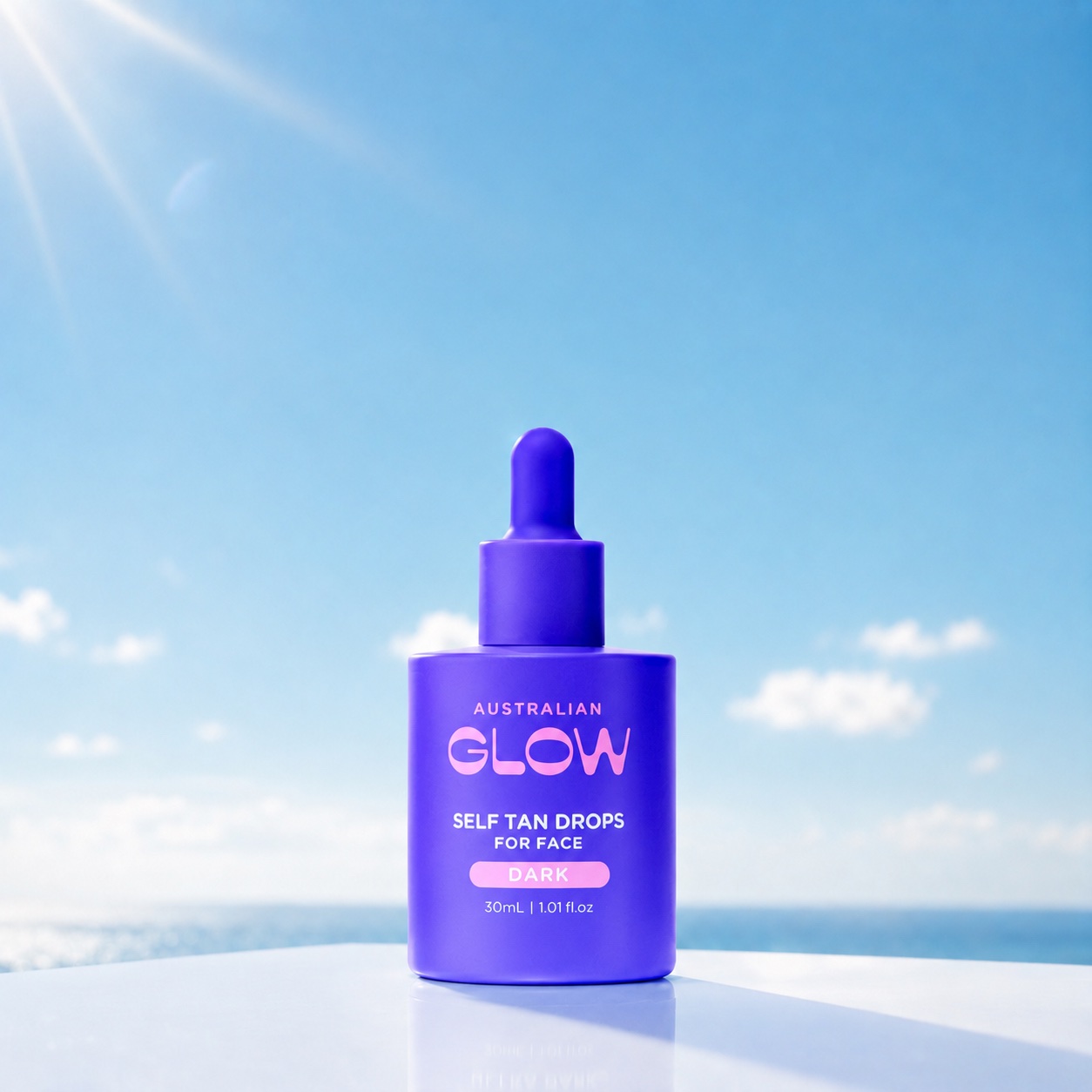
Australian Glow, the founder's brand. Campaign imagery.
The numbers first. Then the shelf.
Deliverables
- The trade-spend model and pricing waterfall, as a working spreadsheet you keep, whoever you hire next.
- Your category's review calendar, dated, with the lead time each date demands.
- The compliance gap list, item by item, costed, with lead times.
- A first-PO cash curve for your target order size, week by week.
- A one-page written verdict: go, go later, or not yet, with the numbers that produced it.
- If the verdict supports it, a scope sheet for the First PO Program. No obligation attaches to it either way.
How it is bought
$15,000 or $25,000, fixed by scope
- Fixed fee, paid once: no retainer, no percentage, no ongoing commitment.
- Which scope you need is settled on the scoping call, before the call ends.
- About four weeks from data intake to verdict.
- The First PO Program is a separate decision with its own scope sheet.
If a number is not on the pricing page or your scope sheet, you do not pay it.
The full terms, in prose
Fixed fee, paid once. $15,000 for a single-retailer scope, $25,000 for multi-retailer, and which scope you need is settled on the scoping call, before the call ends. About four weeks from data intake to verdict. No retainer, no percentage, no ongoing commitment: the Sprint is complete in itself, and the First PO Program is a separate decision with its own scope sheet. If a number is not on the pricing page or your scope sheet, you do not pay it.
The process
- 01
The scoping call
Bring your COGS and your channel mix. We tell you which scope fits, at which of the two prices, before the call ends. If the Sprint is the wrong spend for your stage, we say so on this call and it costs you nothing.
- 02
Data intake, week one
Cost of goods, current pricing, channel economics, product specs, packaging and barcode status. A checklist arrives before the work starts, so week one is collection, not archaeology.
- 03
Modelling, weeks two and three
Trade spend line by line, the pricing waterfall from shelf price back to your margin, and the cash curve of your target first PO, built against your target retailer's category structure. Numbers you can argue with, not a narrative.
- 04
Compliance and calendar, week three
The gap list: EDI, GS1, pallet spec, ASNs, date codes, each with a cost and a lead time. Your category's review dates mapped against those lead times, so you can see which review you can actually make.
- 05
The verdict session, week four
A working session through the model, line by line, with the verdict in writing: go, go after these fixes, or not yet. You are free to disagree with the verdict. You cannot disagree with the waterfall.
- 06
Handover
Every file is yours to keep and to show to anyone, including a competitor of ours. If the verdict is go, the First PO Program scope sheet is on the table. If it is not yet, so is the list of what changes it.
Questions founders ask
Why is a four-week engagement $15,000?
It is two fixed prices, not a range, so you know your number before the first call ends. Compare the alternatives honestly. The incumbent model in this lane is an open-ended retainer with no defined deliverable, so you are tens of thousands in before you know whether retail works for your margins. A wrong launch costs a year and a warehouse of dead stock. The Sprint caps the cost of finding out, and you keep the model whoever you hire next.
What happens if the verdict is not yet?
You keep everything: the trade-spend model, the waterfall, the calendar, the gap list, and a written list of exactly what changes the verdict, whether that is COGS, pack size, pricing or compliance lead times. We would rather hand you bad news at a fixed fee than collect fees ranging you into a loss. Not yet is a real output of this process, not a failure of it.
Does the Sprint get me ranged?
No, and be careful of anyone who says their process does. The buyer decides the ranging, and the Sprint is indicative, not a guarantee of anything. What it does is settle whether the numbers support walking into a review at all, and if they do, it becomes the spine of the range-review case you walk in with. Our past rangings do not promise yours.
Can I take the Sprint output to another agent, a broker, or straight to the retailer?
Yes. It is built to survive that. The model is a working spreadsheet in your hands, not a locked PDF, and nothing in the Sprint obliges you to the First PO Program. If the work is only useful while you are paying us, it was not work.
The next step
Scope your Sprint. Bring your COGS and your channel mix, and we'll tell you which scope you need, at which of the two prices, before the call ends. If the Sprint is the wrong spend for you, we'll say that too. Use the form below: one short form, no funnel.
Scope your SprintThe form is at the bottom of this page and lands straight in our inbox.
Ready to find out whether your brand is built for retail?
Start with a focused conversation about your category, commercial model and target retailers. We will tell you what is ready, what is missing and whether we are the right partner.
No generic sales pitch. A practical first conversation about your retail opportunity, and a reply within two business days.